How to Build an Effective Social Media Strategy for Your Business


Understanding Your Audience
To build an effective social media strategy, start by understanding your audience. Knowing who your customers are, their preferences, and their online behavior is crucial. Utilize analytics tools to gather data on demographics, interests, and engagement patterns.

Setting Clear Goals
Define what you want to achieve with your social media efforts. Are you looking to increase brand awareness, drive website traffic, or boost sales? Setting clear, measurable goals will guide your strategy and help you track progress.
SMART Goals
Ensure your goals are SMART: Specific, Measurable, Achievable, Relevant, and Time-bound. This framework provides a clear roadmap and helps maintain focus on the objectives that matter most.
Choosing the Right Platforms
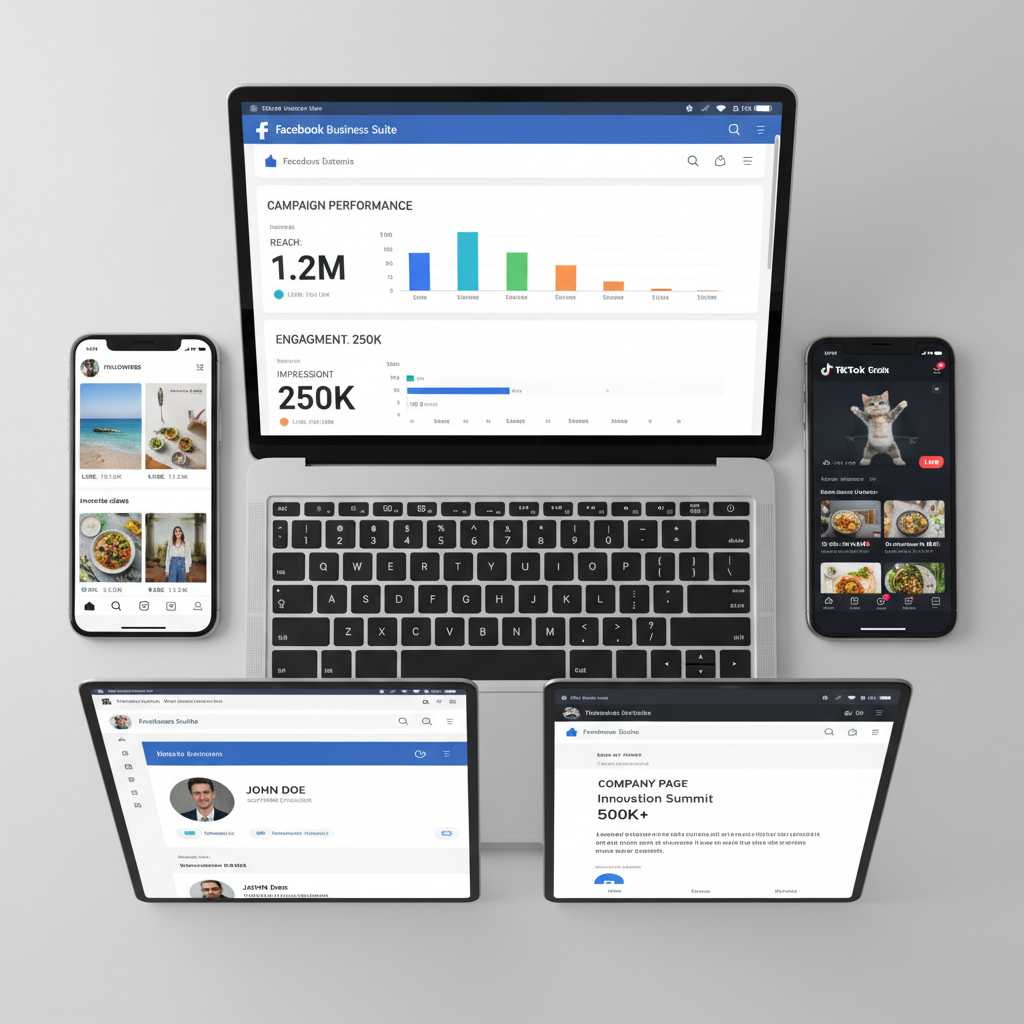
Not all social media platforms are created equal. Choose platforms that align with your business goals and where your audience is most active. For instance, LinkedIn is ideal for B2B companies, while Instagram may be better for B2C brands focused on visuals.
Creating Engaging Content
Content is king in the social media realm. Develop a content plan that includes a mix of formats such as articles, videos, infographics, and user-generated content. The key is to keep your content engaging, informative, and relevant to your audience.
Content Calendar
A content calendar helps organize and schedule posts in advance, ensuring a consistent posting routine. This tool can boost efficiency and allow you to plan around key dates and events relevant to your industry.
Monitoring and Analyzing Performance
Regularly monitor your social media performance using analytics tools. Track metrics such as engagement rates, reach, and conversion rates to determine what's working and what needs adjustment. This data-driven approach allows for continuous improvement.

Adjusting Your Strategy
Social media is dynamic, and your strategy should be too. Be prepared to adapt based on the insights you gather. Whether it's tweaking content types, changing posting times, or experimenting with new platforms, flexibility is key to staying relevant.